SmartDesignforModernFamilies:HomesThatAdapttoYourLifestyle
Date : 2025-11-10
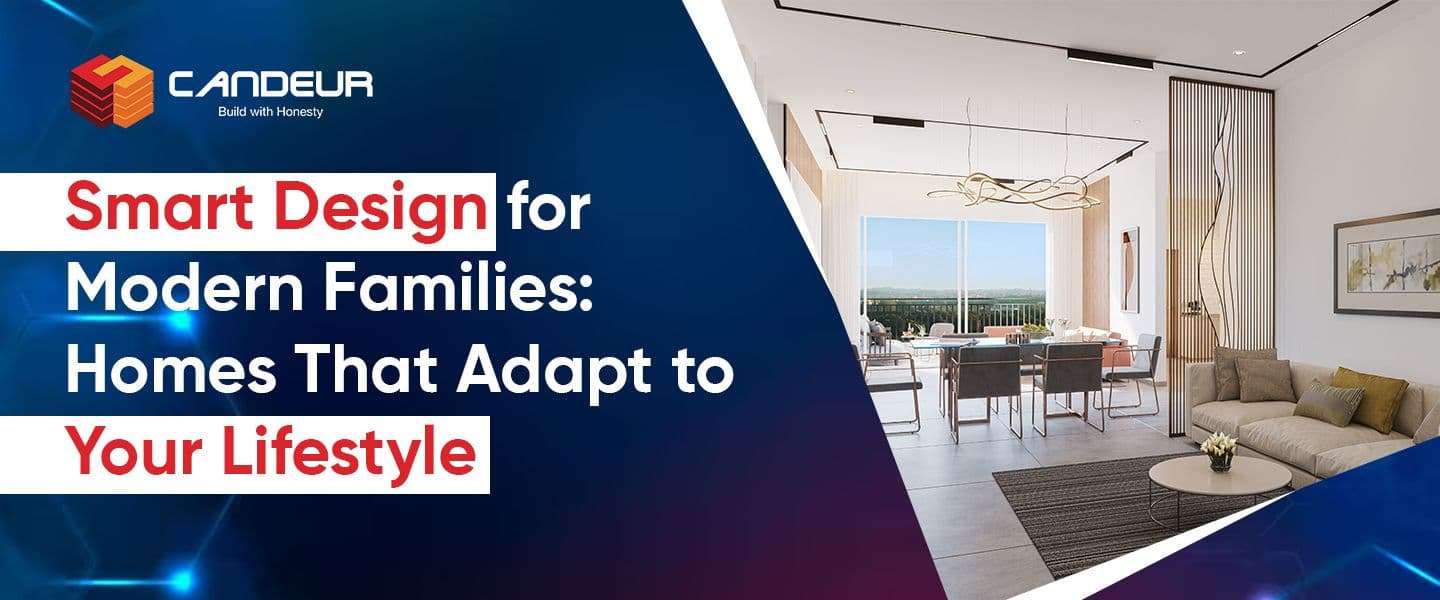
In today’s fast-paced world, families seek more than just four walls and a roof—they want homes that evolve with them, spaces that adapt to changing needs, and designs that enhance their everyday experiences. The concept of smart design is transforming modern real estate by focusing on functionality, flexibility, and family-centric living. Instead of rigid layouts and one-size-fits-all plans, homes are now being designed to adapt to lifestyle changes, making them truly future-ready.
At its core, smart design is about more than aesthetics. It’s about creating homes that grow with families, balance personal and social spaces, and integrate sustainability with comfort. Let’s explore how this philosophy is shaping the future of residential living—and how projects like Skyline, Lakescape, Crescent, and Twins Sky High Living exemplify these principles.
What Is Smart Design in Real Estate?
Smart design is a holistic approach to architecture and planning that ensures every square foot of a home serves a purpose. It blends creativity with practicality to create living spaces that are:
- Flexible – able to transform based on the family’s evolving needs.
- Functional – maximizing usability without wasting space.
- Sustainable – integrating eco-friendly practices for long-term well-being.
- Connected – encouraging community bonding through shared spaces.
For modern families, this means homes that adapt to the realities of everyday life—whether it’s setting up a home office, creating safe play zones for kids, or ensuring easy access for elderly family members.
Key Elements of Smart Design for Families
1. Flexible Floor Plans
Modern families require spaces that can change with time. An open-plan living room today may double up as a study zone, workout corner, or entertainment space tomorrow. Projects like Twins Sky High Living highlight this adaptability with layouts that maximize natural light and offer expansive balconies to extend indoor living outdoors.
2. Indoor-Outdoor Integration
Families thrive when homes are connected with nature. Large windows, green courtyards, and landscaped gardens are more than just design features—they provide fresh air, light, and a sense of openness. Candeur Lakescape, for example, offers breathtaking views of Gopi Cheruvu Lake from its 47-floor towers, combining urban convenience with tranquil natural surroundings.
3. Smart Storage Solutions
Clutter-free living is essential in busy households. Built-in wardrobes, under-stair cubbies, and modular cabinetry ensure that families have room for everything without compromising aesthetics. Thoughtful storage keeps homes organized and functional, especially in high-rise residences like Skyline, where maximizing every inch is crucial.
4. Community-Centric Amenities
Modern homes extend beyond private spaces. Families today value shared facilities that encourage interaction, recreation, and wellness. Lakescape’s 1,00,000 sq.ft clubhouse with features like a mini theatre, indoor games, fitness zones, and a pre-primary school is a prime example of community-first design. Similarly, Twins Sky High Living boasts a seven-level clubhouse that includes a spa, banquet hall, indoor sports courts, and a terrace swimming pool.
5. Sustainability in Everyday Living
Smart design isn’t complete without sustainability. Features like rainwater harvesting, energy-efficient lighting, sewage treatment plants, and green landscapes reduce environmental impact while cutting operational costs. Projects like Candeur Crescent emphasize green living by integrating eco-conscious design choices that benefit both residents and the community.
Why Smart Design Matters for Modern Families
Adaptability Across Life Stages
A home designed with flexibility ensures it remains relevant as families grow and lifestyles change. A nursery today can easily transform into a study or a guest bedroom tomorrow without costly renovations.
Enhancing Family Bonding
Spaces designed for connection—such as open-plan kitchens, community gardens, and multipurpose halls—help families spend more time together while also building stronger bonds with neighbors.
Supporting Work-Life Balance
With remote work becoming common, homes must offer quiet corners or dedicated workspaces. Projects like Skyline are designed with spacious layouts that allow families to carve out professional zones without sacrificing comfort.
Ensuring Wellness and Recreation
Smart design incorporates wellness into daily life. Jogging tracks, yoga lawns, and outdoor gyms are increasingly becoming essentials rather than luxuries. Lakescape, for example, offers over 50 amenities including fitness, sports, and relaxation zones, ensuring residents have everything within reach.
Spotlight: Projects That Showcase Smart Design
Skyline – Elevated Urban Living
Skyline represents the essence of modern city life. Its tall towers are designed with open layouts, ample ventilation, and family-centric amenities. By emphasizing natural light and thoughtful zoning, Skyline offers homes that adapt to the fast-paced needs of urban families.
Lakescape – Life by the Lake
Spanning 9.11 acres, Lakescape redefines smart design by combining high-rise living with scenic beauty. The project’s emphasis on outdoor connectivity, sustainable planning, and an expansive clubhouse ensures families can balance work, leisure, and wellness effortlessly.
Candeur Crescent – Luxury Meets Sustainability
Crescent demonstrates how luxury and smart design can coexist. Its focus on maximizing privacy, efficient layouts, and eco-friendly features makes it an ideal choice for families who want long-term comfort paired with sustainability.
Twins Sky High Living – Own the Sky
At 47 stories high, Twins is a symbol of aspirational living. With 75% open area and thoughtfully planned 3 BHK apartments, it provides flexibility, natural light, and expansive common spaces. Its 40,000+ sq.ft clubhouse with seven levels highlights how community living and family wellness are prioritized.
The Future of Smart Design
The demand for homes that adapt to lifestyle changes will only increase. With nuclear families, multi-generational living, and hybrid work models on the rise, the importance of smart, flexible, and sustainable design cannot be overstated.
Builders who focus on creating adaptable layouts, green environments, and integrated community spaces will not only meet present needs but also secure long-term trust from homebuyers. Candeur Group, through projects like Skyline, Lakescape, Crescent, and Twins, is leading this shift by proving that smart design is not a luxury—it’s a necessity.
Conclusion
For modern families, a home is more than a shelter—it’s a foundation for growth, connection, and future aspirations. Smart design ensures that homes adapt to life’s transitions, foster wellness, and encourage strong communities.
By blending flexible layouts, sustainable features, and family-first amenities, projects like Skyline, Lakescape, Crescent, and Twins Sky High Living embody the promise of future-ready living spaces.
In a world where lifestyles are constantly evolving, smart design provides the freedom and peace of mind that every family deserves.